
The Ultimate Guide to Portrait Photography: From Concept to Print


Understanding the Essence of Portrait Photography
Portrait photography is more than just clicking pictures of people. It's about capturing the essence, personality, and emotions of the subject. Whether you're photographing a loved one or a professional model, understanding your subject is crucial. Engage in conversations, learn about their likes and dislikes, and observe their natural expressions to create a genuine connection.
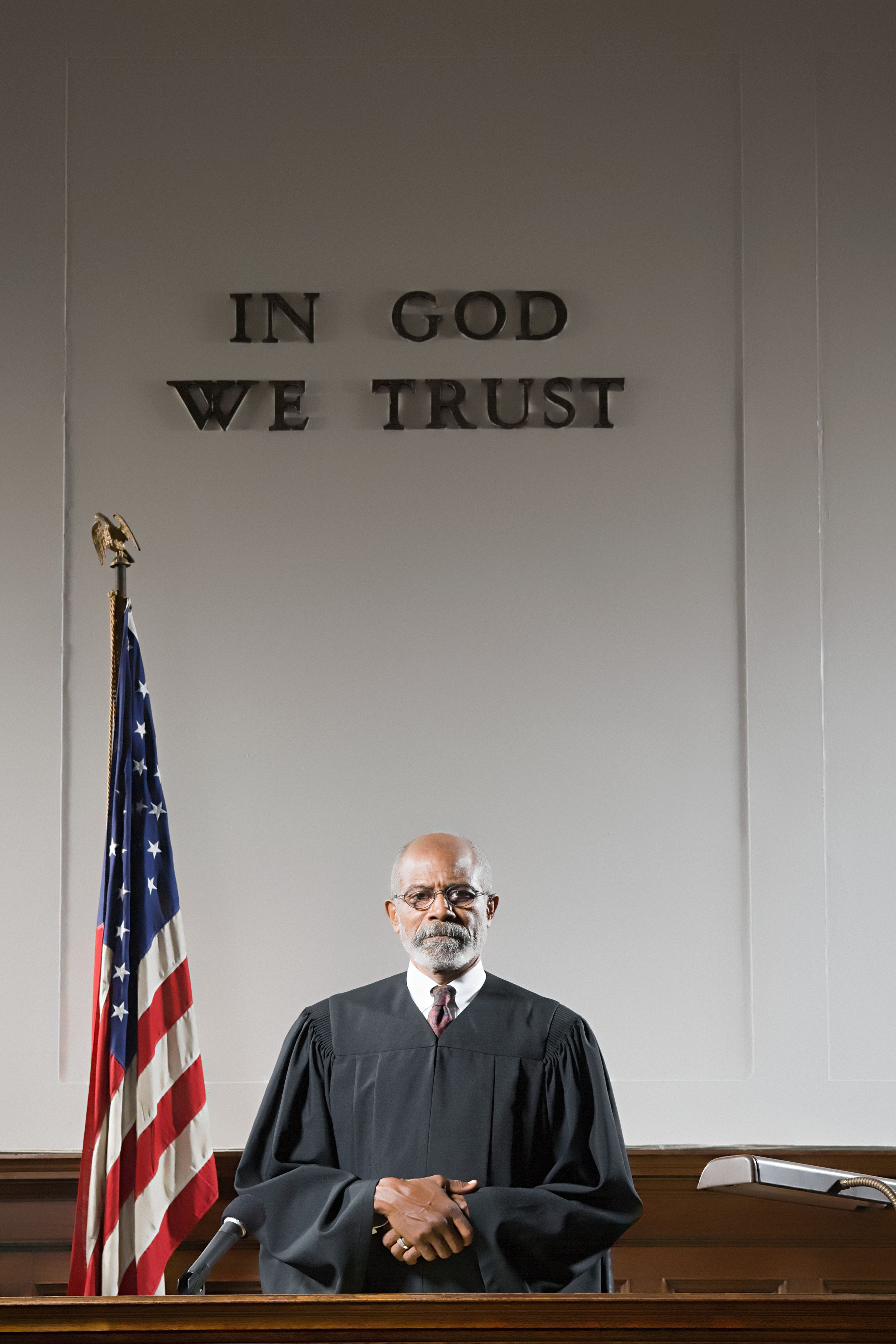
Consider the environment as well. The setting can significantly impact the feel of the portrait. Locations that hold personal significance to the subject can bring depth to the photo. Experiment with different backgrounds and lighting to see what complements your subject best.
Planning the Perfect Shoot
A successful portrait shoot begins with meticulous planning. Start by deciding on the concept. Are you aiming for a candid look or something more stylized? Discuss these ideas with your subject to ensure you’re on the same page. Planning also includes selecting the right equipment. Depending on your concept, you might need specific lenses or lighting gear.
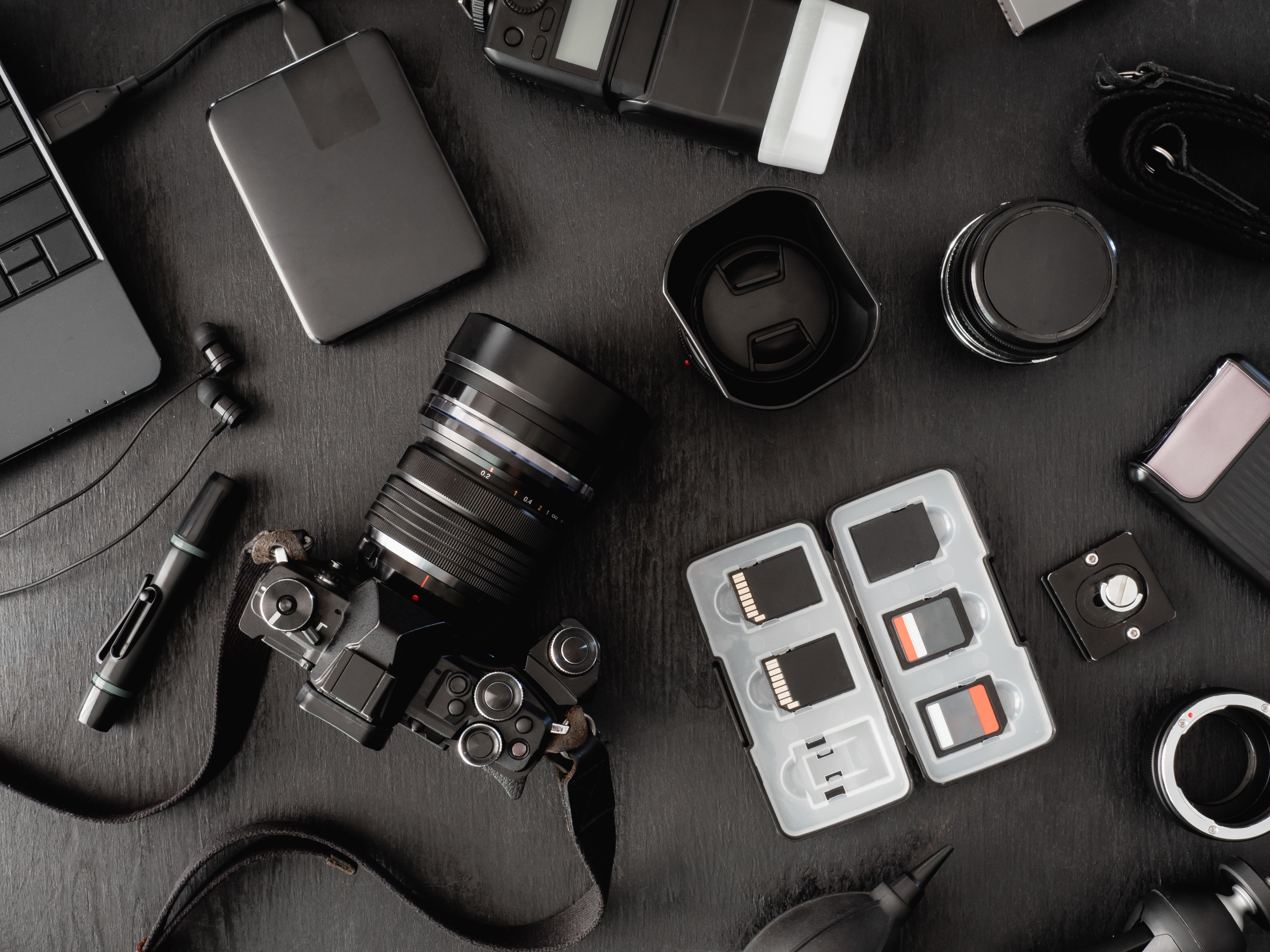
Timing is another essential factor. The golden hours, just after sunrise and before sunset, offer soft and flattering natural light. However, don't shy away from experimenting with artificial lighting setups to create dramatic effects.
Mastering Composition and Posing
Composition is key in portrait photography. Use the rule of thirds to create balanced and engaging images. Position your subject at one of the intersecting points to draw viewers' eyes naturally. Additionally, experiment with angles. Sometimes, a slight tilt of the camera can make a significant difference.
Posing can be daunting for both the photographer and the subject. Provide clear and encouraging directions. Encourage natural movements and be ready to capture spontaneous moments. A relaxed subject often results in the best portraits.
Editing and Post-Processing Techniques
Post-processing is where your portrait truly comes to life. Start with basic adjustments like exposure, contrast, and saturation. Tools such as Adobe Lightroom and Photoshop offer advanced features to enhance the skin tones, remove blemishes, and emphasize the subject's eyes.
Preserve the natural look by avoiding over-editing. Subtlety is key. Use layers to keep your changes non-destructive and experiment until you achieve the desired outcome.
Printing Your Perfect Portrait
Once you've captured and edited the perfect portrait, it's time to think about printing. Choose high-quality paper that complements the colors and mood of your photo. Matte finishes can reduce glare, while glossy surfaces often make colors pop.
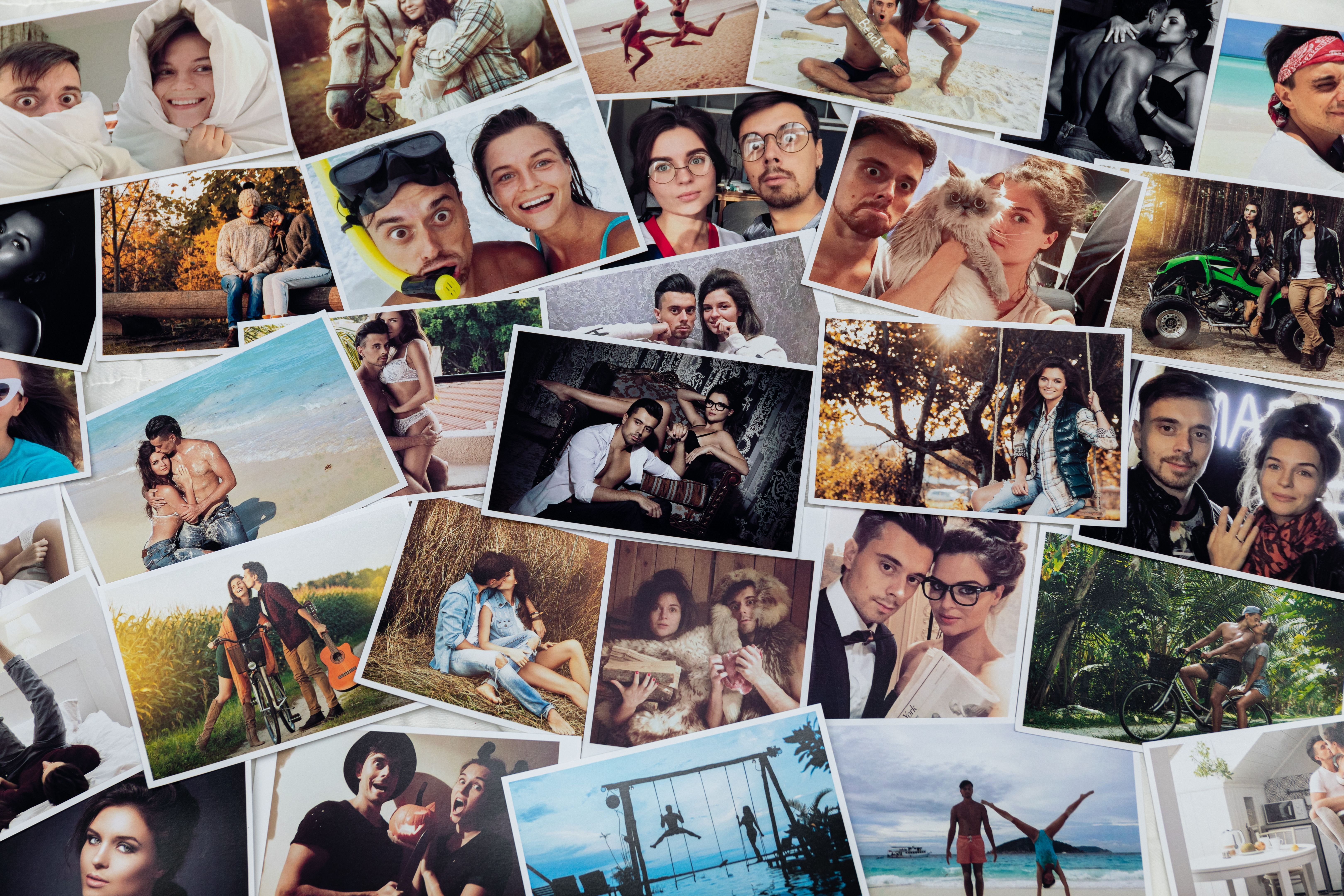
Consider the size and framing options as well. A well-chosen frame can enhance the overall aesthetic of your portrait, turning it into a cherished piece of art. Don't forget to proof your prints to ensure the colors match what you see on your screen.
Conclusion
Portrait photography is a rewarding art form that combines creativity, technical skills, and personal interaction. From conceptualization to the final print, each step is a chance to refine your craft and create lasting memories. Embrace experimentation and continue learning to hone your skills as a portrait photographer.